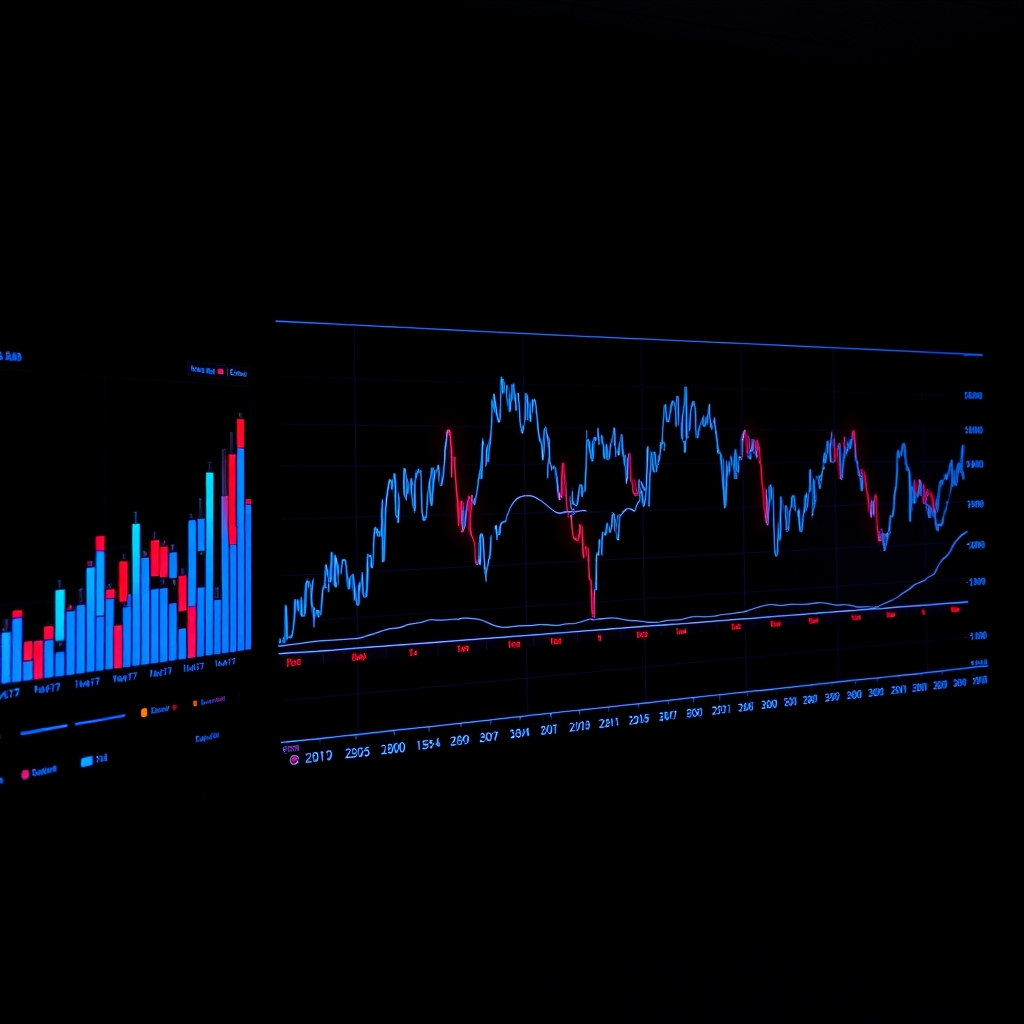
In the ever-evolving landscape of global finance, understanding interest rates is crucial for developers, economists, and financial analysts. The US Treasury 30-Year yield serves as a benchmark for long-term interest rates, influencing various financial products and economic indicators. This blog post will provide a comprehensive comparison of the US Treasury 30-Year yield against global rates, utilizing the Interest Rates API to access real-time data and historical trends.
Understanding Interest Rates
Interest rates are a fundamental aspect of financial markets, affecting everything from mortgage rates to corporate borrowing costs. The US Treasury 30-Year yield is particularly significant as it reflects investor sentiment regarding long-term economic growth and inflation expectations. By comparing this yield with global rates, we can gain insights into monetary policy divergence, economic outlooks, and potential investment opportunities.
Accessing Interest Rate Data with Interest Rates API
The Interest Rates API provides a robust platform for accessing a wide range of interest rate data, including central bank rates, interbank rates, and treasury yields. This API allows developers to programmatically retrieve the latest rates, historical data, and perform various analyses.
Available Symbols
To begin, developers can explore the available symbols for interest rates using the following endpoint:
GET https://interestratesapi.com/api/v1/symbols?category=treasury&base=USD&api_key=YOUR_KEYThis request will return a list of available treasury symbols, including the US Treasury 30-Year yield:
{
"success": true,
"count": 1,
"symbols": [
{
"symbol": "US_TREASURY_30Y",
"name": "US Treasury Yield 30-Year",
"category": "treasury",
"country_code": "US",
"currency_code": "USD",
"frequency": "daily",
"description": "The interest rate on US Treasury bonds with a maturity of 30 years."
}
]
}
Comparing US Treasury 30-Year Yield with Global Rates
To effectively compare the US Treasury 30-Year yield with other global rates, we can use the /latest endpoint to fetch the current rates for multiple symbols simultaneously. For example, we can retrieve the US Treasury 30-Year yield alongside several major central bank rates:
GET https://interestratesapi.com/api/v1/latest?symbols=US_TREASURY_30Y,FED_FUNDS,ECB_MRO,BOE_BANK_RATE,BOJ_POLICY_RATE&api_key=YOUR_KEYThe response will provide the latest rates for these symbols:
{
"success": true,
"date": "2026-05-23",
"base": "MIXED",
"rates": {
"US_TREASURY_30Y": 5.33,
"FED_FUNDS": 4.75,
"ECB_MRO": 4.50,
"BOE_BANK_RATE": 4.25,
"BOJ_POLICY_RATE": 0.10
},
"dates": {
"US_TREASURY_30Y": "2026-05-23",
"FED_FUNDS": "2026-05-23",
"ECB_MRO": "2026-05-23",
"BOE_BANK_RATE": "2026-05-23",
"BOJ_POLICY_RATE": "2026-05-23"
},
"currencies": {
"US_TREASURY_30Y": "USD",
"FED_FUNDS": "USD",
"ECB_MRO": "EUR",
"BOE_BANK_RATE": "GBP",
"BOJ_POLICY_RATE": "JPY"
}
}
This data allows us to analyze the spread between the US Treasury 30-Year yield and other rates, providing insights into monetary policy and economic conditions.
Historical Trends and Time Series Analysis
To understand how the US Treasury 30-Year yield has changed over time, we can utilize the /timeseries endpoint. This endpoint allows us to retrieve historical data for a specified date range:
GET https://interestratesapi.com/api/v1/timeseries?start=2025-05-23&end=2026-05-23&symbols=US_TREASURY_30Y&api_key=YOUR_KEYThe response will include daily rates for the specified period:
{
"success": true,
"base": "USD",
"start_date": "2025-05-23",
"end_date": "2026-05-23",
"rates": {
"US_TREASURY_30Y": {
"2025-01-02": 5.33,
"2025-01-03": 5.35,
"2025-01-06": 5.30
}
},
"frequencies": {
"US_TREASURY_30Y": "daily"
},
"currencies": {
"US_TREASURY_30Y": "USD"
}
}
This historical data can be visualized using various charting libraries in Python, allowing analysts to identify trends and make informed predictions.
Loan Cost Comparison
Another valuable feature of the Interest Rates API is the ability to compare loan costs between different interest rates. For instance, we can compare the total interest cost of a loan based on the US Treasury 30-Year yield against other benchmark rates:
GET https://interestratesapi.com/api/v1/convert?from=US_TREASURY_30Y&to=ECB_MRO&amount=100000&term_months=12&api_key=YOUR_KEYThe response will provide a detailed comparison:
{
"success": true,
"amount": 100000,
"term_months": 12,
"from": {
"symbol": "US_TREASURY_30Y",
"rate": 5.33,
"date": "2026-05-23",
"total_interest": 5330.00,
"total_payment": 105330.00
},
"to": {
"symbol": "ECB_MRO",
"rate": 4.50,
"date": "2026-05-23",
"total_interest": 4500.00,
"total_payment": 104500.00
},
"difference": {
"rate_spread": 0.83,
"interest_saved": 830.00
}
}
This comparison highlights the potential savings when choosing different financing options, which is critical for both consumers and businesses.
Understanding Rate Spreads and Economic Signals
The spread between the US Treasury 30-Year yield and other interest rates can signal various economic conditions. A widening spread may indicate a carry trade opportunity, where investors borrow at lower rates to invest in higher-yielding assets. Conversely, a narrowing spread could suggest tightening monetary policy or economic uncertainty.
By analyzing these spreads, financial analysts can gauge market sentiment and make informed investment decisions.
Conclusion
In conclusion, the US Treasury 30-Year yield serves as a vital benchmark in the global financial landscape. By leveraging the Interest Rates API, developers and analysts can access real-time data, perform historical analyses, and make informed decisions based on comprehensive interest rate comparisons. Understanding these dynamics is essential for navigating the complexities of modern finance.
For more information and to explore the features of the Interest Rates API, visit Explore Interest Rates API features and Get started with Interest Rates API.